

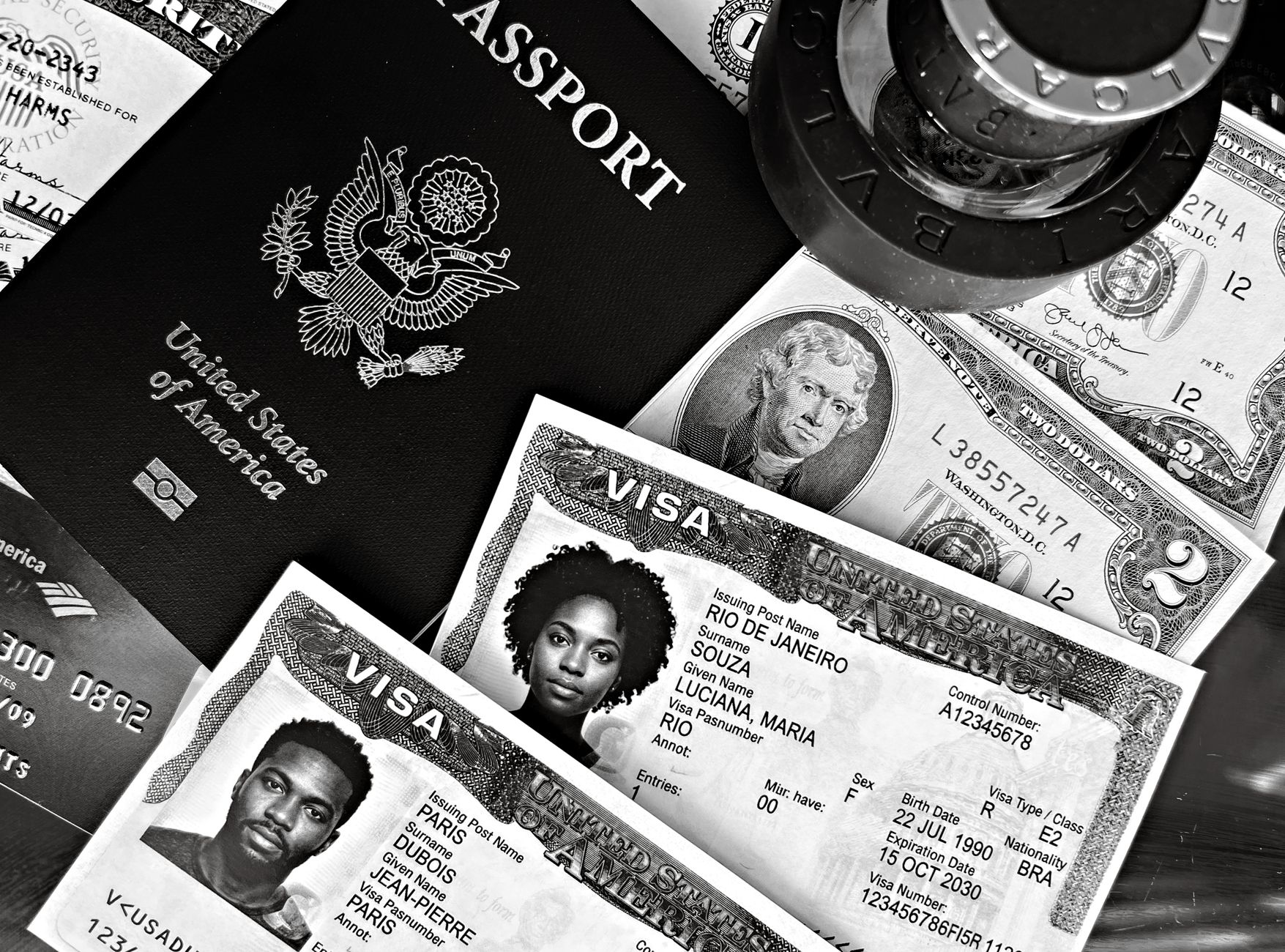
Thailand visa rules are tightening, affecting international travelers. New regulations may complicate your travel plans, so it’s essential to stay informed.
Overview of Thailand’s New Visa Rules
The recent adjustments in Thailand visa rules have raised concerns among international travelers. These changes, aimed at tightening visa-free entry regulations, affect various nationalities and could significantly impact tourism.
Key highlights of the new visa rules include:
- Shortened Stay Duration: Many travelers will now face a reduced length of stay, decreasing from 90 days to 30 days for visa-exempt entries.
- Increased Documentation: Some visitors may be required to show additional proof of onward travel and financial stability upon arrival.
- Restricted Entry: Specific countries have seen a further tightening of entry requirements, making it more challenging for citizens from those nations to visit Thailand.
These changes reflect a shift in Thailand’s approach to managing its borders, emphasizing the importance for travelers to stay informed of the latest developments in Thailand visa rules.
Impact on International Travelers
The recent changes to Thailand’s visa rules have significant implications for international travelers. Many tourists are now facing stricter regulations that could affect their travel plans and experiences in the country.
Some of the most notable impacts include:
- Extended Wait Times: Increased processing times for visa applications may lead to delays, complicating last-minute travel arrangements.
- Higher Fees: New fees associated with visa applications and extensions could strain travelers’ budgets.
- Limitations on Duration: Shorter visa-free stays may leave tourists with less time to explore the beautiful landscapes and rich culture of Thailand.
As these changes take effect, international travelers must stay informed about Thailand visa rules to ensure a smooth journey and avoid unexpected hurdles during their trips.
Reasons Behind the Changes
The recent alterations to Thailand visa rules have raised eyebrows among international travelers. Several factors have contributed to this tightening of entry regulations:
- Security Concerns: In response to rising global security challenges, the Thai government seeks to enhance border control and ensure the safety of its citizens and visitors.
- Tourism Management: The influx of tourists has prompted officials to regulate entry more stringently, aiming to balance tourism growth with sustainable management of resources.
- Economic Factors: Adjustments in visa policies may also reflect economic strategies designed to attract more high-value tourists while discouraging those who overstay or engage in illegal activities.
- International Relations: Changes in diplomatic ties and trade agreements can influence visa rules, leading to adaptations that align with broader geopolitical goals.
These factors collectively highlight the complexities behind the new Thailand visa rules.
What Travelers Need to Know
As Thailand implements stricter visa rules for international travelers, it is essential to understand the key changes that may affect your journey. Here are the main points to consider:
- Visa-Free Entry Limitations: Many travelers will find that the duration of visa-free stays has been significantly reduced.
- Increased Documentation: New requirements for proof of onward travel and sufficient funds may be enforced more rigorously.
- Work Restrictions: Those looking to work or volunteer in Thailand will need to navigate through more complex visa options and requirements.
- Potential Fees: Additional fees for visa applications and processing times may lead to longer wait periods.
These updates underline the importance of staying informed about Thailand’s visa rules to ensure a smooth travel experience.
Tips for Navigating Visa Requirements
Navigating the updated Thailand visa rules can be challenging for international travelers. To ensure a smooth journey, consider the following tips:
- Research Requirements: Before traveling, familiarize yourself with the specific visa requirements based on your nationality.
- Plan Ahead: Allocate enough time for visa applications, as processing times may vary depending on the type of visa.
- Consult Official Sources: Always check the official Thai government website for the most current information regarding visa rules.
- Understand the Duration: Be aware of the length of stay permitted on your visa to avoid overstaying.
- Prepare Documentation: Ensure all necessary documents, such as proof of onward travel and accommodation, are readily available.
By staying informed and prepared, travelers can better navigate the complexities of Thailand’s visa requirements.
Future of Thailand’s Visa Policies
The future of Thailand’s visa policies appears to be shifting towards stricter regulations, impacting international travelers significantly. As the country updates its Thailand visa rules, concerns arise regarding accessibility and tourism growth. Authorities are focusing on balancing national security with the economic benefits that tourism brings.
Travelers may see further changes as the government evaluates the effectiveness of the new policies. Some experts suggest that a more streamlined application process for certain nationalities could emerge in response to public feedback.
In addition, there are discussions about potential long-term visa options for skilled workers and investors, which could enhance Thailand’s appeal as a destination for expatriates. However, any adjustments will likely aim to maintain a level of control over entry standards, ensuring that the country can manage its resources effectively.
Comparing Visa Rules in Southeast Asia
As international travelers assess the evolving landscape of visa regulations, comparing Thailand visa rules with those of neighboring Southeast Asian countries becomes crucial. Countries like Malaysia and Singapore continue to offer more lenient visa policies, often allowing extended stays without stringent requirements. In contrast, Thailand’s recent changes have raised concerns among travelers.
Key differences in visa rules include:
- Visa Exemption Duration: Malaysia offers up to 90 days for many nationalities, while Thailand has reduced its visa-free period.
- Application Processes: Singapore’s e-visa system is widely regarded as user-friendly compared to Thailand’s more complex requirements.
- Extensions: Some countries allow easy extensions, whereas Thailand’s new regulations may complicate this process.
Ultimately, understanding these variations can help travelers make informed decisions and navigate their options more effectively.
Traveler Experiences and Insights
Many travelers have shared their experiences regarding the recent changes in Thailand visa rules. Jane Doe, a frequent visitor, expressed frustration over the increased paperwork required for entry. “I never expected such strict regulations; it was much easier in the past,” she noted.
Another traveler, John Smith, highlighted the confusion surrounding the new regulations. “I had to reach out to the consulate multiple times for clarification,” he said. “The lack of clear communication from the Thai authorities has made planning trips more challenging.”
While some travelers appreciate the new measures aimed at regulating tourism, others feel they create unnecessary barriers. Susan Lee emphasized that these restrictions could deter future visits. “I love Thailand, but if the visa rules continue to tighten, I might reconsider my travel plans,” she remarked.
As the situation evolves, travelers are encouraged to stay informed about the latest updates to Thailand visa rules.
Photo by DΛVΞ GΛRCIΛ on Pexels
References
- UAE Travellers Flight Delays: The Worst Reasons Explained
- Urban Air Adventure Park: Is It Worth the Hype?
- Telangana Site Museum: A Simple Guide to Reopening