

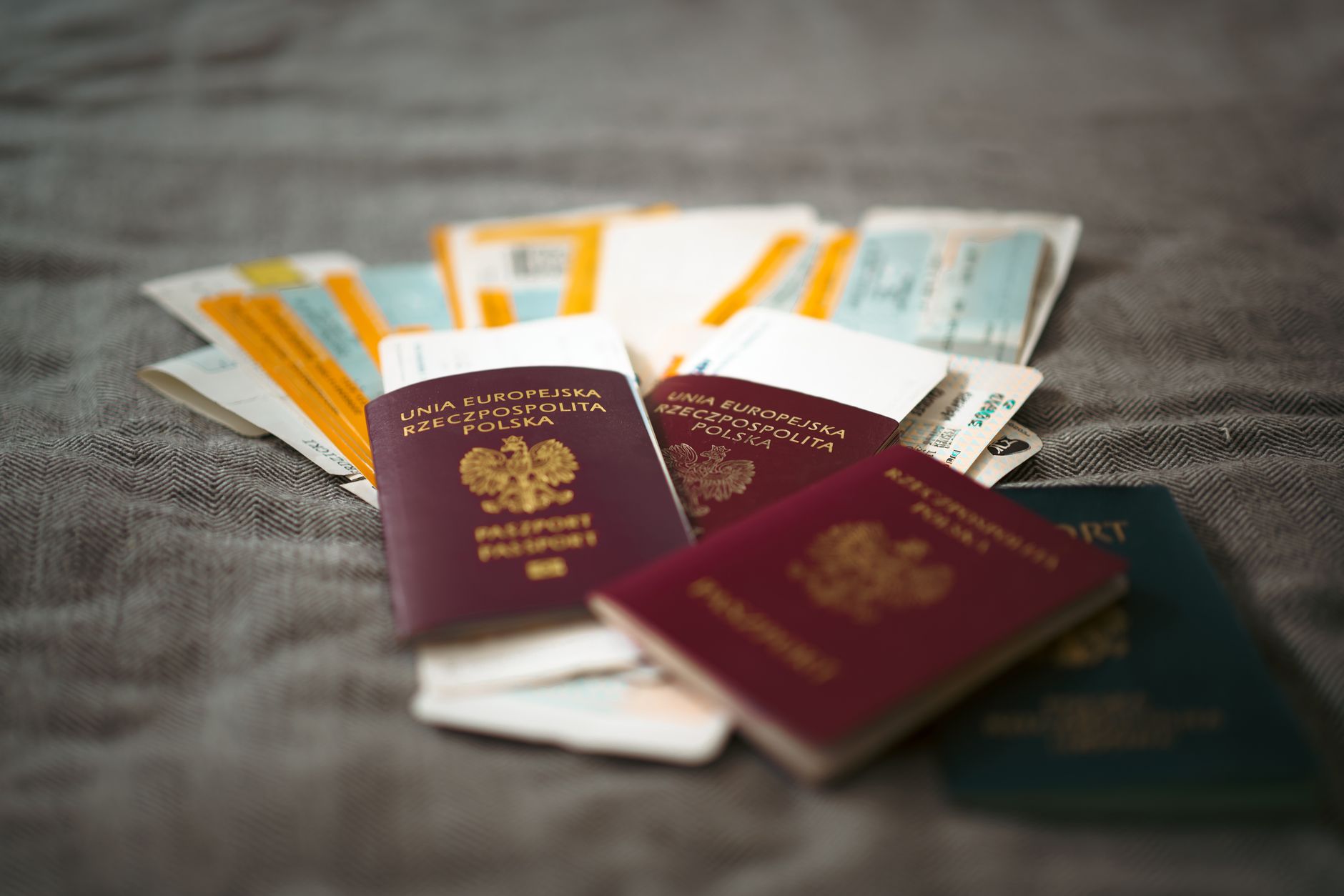
The immigration cut plan has sparked significant debate in Australia. With the Australian Opposition vowing to implement the largest immigration cuts in history, many are questioning the implications for the economy and society.
Overview of the Immigration Cut Plan
The Immigration Cut Plan proposed by the Australian Opposition has sparked significant debate across the country. This proposal aims to drastically reduce the number of immigrants allowed into Australia, raising concerns among various sectors of society.
Supporters of the plan argue that it will ease pressure on infrastructure and housing, claiming that a lower immigration rate will benefit local communities. They emphasize the need for improved services and resources for current residents, citing issues such as overcrowded schools and hospitals.
However, critics of the Immigration Cut Plan highlight the potential economic repercussions. They argue that immigration plays a crucial role in driving growth and innovation within various industries. The following points summarize key criticisms of the proposal:
- Economic Impact: A reduction in the workforce may hinder productivity and economic expansion.
- Skill Shortages: Many sectors, especially healthcare and technology, rely on skilled migrants to fill essential roles.
- Cultural Diversity: Immigration enriches Australian culture, and a cut could diminish this diversity.
- Long-Term Consequences: A lasting decline in population growth may lead to an aging demographic, straining future social services.
Overall, the Immigration Cut Plan raises vital questions about the future direction of Australia’s immigration policy and its long-term implications for the nation.
Key Proposals of the Opposition
The Australian Opposition has unveiled its immigration cut plan, which aims to significantly reduce the number of immigrants entering the country. This proposal has sparked considerable debate among policymakers and citizens alike. Here are the key proposals outlined by the Opposition:
- Reduction in Visa Grants: The plan includes a substantial cut to the number of visa grants for skilled and family reunification categories, potentially leading to a talent shortage in various sectors.
- Limited Refugee Intake: The opposition proposes to restrict the intake of refugees, which critics argue undermines Australia’s commitment to humanitarian obligations.
- Increased Salary Thresholds: The immigration cut plan suggests raising salary thresholds for skilled migrants, making it more difficult for lower-income sectors to attract international talent.
- Stricter Residency Requirements: The plan includes measures that would impose more stringent residency requirements for those seeking permanent status, potentially isolating families and communities.
- Enhanced Border Security: A promise of increased funding for border enforcement is also part of the proposal, which may divert resources from essential services.
Critics argue that these measures could harm Australia’s economy and social fabric, raising concerns about the long-term implications of such an immigration cut plan.
Impact on Australian Economy
The proposed immigration cut plan by the Australian Opposition has raised significant concerns regarding its potential impact on the Australian economy. Critics argue that reducing the influx of skilled migrants could lead to several detrimental effects.
Firstly, a decrease in immigration may result in a labor shortage in key sectors. Many industries, such as healthcare, construction, and technology, rely heavily on skilled workers from abroad. A cut in immigration could exacerbate existing workforce challenges, leading to slower economic growth.
Moreover, the immigration cut plan is likely to affect innovation and productivity. Skilled immigrants often bring diverse perspectives and expertise that drive creativity and advancements in various fields. Limiting their entry could stifle the development of new ideas and technologies, hindering Australia’s competitive edge on the global stage.
Additionally, the proposal could lead to a decrease in consumer spending. Immigrants contribute significantly to the economy by purchasing goods and services. A reduction in population growth due to immigration cuts may lead to stagnation in local businesses, particularly in areas heavily reliant on migrant patronage.
In summary, the immigration cut plan poses a threat not only to labor markets but also to the broader economic landscape of Australia. It raises critical questions about the long-term viability of such a strategy in fostering a robust and dynamic economy.
Public Reaction to Immigration Cuts
The proposed immigration cut plan has sparked significant public backlash across Australia. Many citizens are expressing their concerns through social media and community forums, emphasizing the potential negative consequences of such drastic measures.
Critics argue that reducing immigration will lead to labor shortages in crucial industries. Healthcare, construction, and agriculture are among the sectors that heavily rely on a steady influx of skilled and unskilled workers. A public survey revealed that over 70% of respondents believe that cutting immigration will harm the economy and slow down growth.
- Many business leaders have voiced their opposition, stating that immigration is vital for innovation and competitiveness.
- Community groups warn of potential social implications, claiming that such cuts could exacerbate existing inequalities and tensions.
- Political analysts are divided; while some support the opposition’s focus on local employment, others caution against isolating Australia from global talent.
As protests and public discussions continue to unfold, it is clear that the immigration cut plan is a deeply polarizing issue. Activists are organizing rallies to advocate for a more balanced approach that recognizes the contributions of immigrants to Australian society.
Comparison with Previous Policies
The current immigration cut plan proposed by the Australian Opposition stands in stark contrast to previous policies aimed at fostering growth and diversity within the nation. Historically, Australia has embraced a more inclusive approach to immigration, recognizing its benefits to the economy and society.
Under past administrations, immigration policies focused on:
- Skills-Based Migration: Aimed at attracting talent and addressing labor shortages in key industries.
- Family Reunion Programs: Promoted social cohesion by allowing families to settle together.
- Humanitarian Efforts: Demonstrated Australia’s commitment to providing refuge to those fleeing persecution.
In stark contrast, the immigration cut plan aims to significantly reduce the number of incoming migrants, which could lead to adverse effects on various sectors. The previous focus on a balanced approach has now shifted to a more restrictive stance, raising concerns about its long-term implications.
The growing sentiment against the immigration cut plan reflects a broader unease about the future direction of Australia’s immigration policy. Critics argue that this drastic change could undermine the multicultural fabric of the nation and hinder economic progress, leading to a less dynamic workforce. As such, many are calling for a reevaluation of these proposals to ensure a more equitable and prosperous future for all Australians.
Expert Opinions on Immigration
Experts from various fields have voiced their concerns regarding the immigration cut plan proposed by the opposition. Many believe that such drastic measures could have long-lasting repercussions on Australia’s social and economic fabric.
Dr. Sarah Thompson, a renowned economist, argues that limiting immigration could hinder economic growth. She states, “Immigrants contribute significantly to innovation and the workforce. Reducing their numbers can stifle our potential.”
In addition, Professor Mark Jenkins, a sociologist, warns about the societal implications. He notes, “A diverse population is crucial for a vibrant society. The immigration cut plan could lead to increased division and social unrest.”
Furthermore, immigration lawyer Anna Reyes highlights potential legal ramifications. She explains, “Such policies could create a backlog in processing and lead to increased illegal immigration, which poses further challenges to our system.”
Finally, a survey of public opinion among experts shows that a significant majority oppose the cut plan. They argue for a more balanced approach that considers both security and the benefits of a multicultural society. As these experts continue to voice their opinions, the future of the immigration policy remains a contentious topic in Australia.
Future of Immigration in Australia
The future of immigration in Australia is at a critical juncture, particularly with the introduction of the controversial immigration cut plan. As the nation grapples with the implications of reduced immigration, several factors must be considered to understand the broader impact on society and the economy.
Firstly, a significant decrease in immigration could lead to a shortage of skilled workers in various sectors, including healthcare, technology, and construction. This shortage may hinder economic growth and innovation, causing a ripple effect that could affect job creation and overall productivity.
Moreover, Australia has long prided itself on being a multicultural society, with diverse communities contributing to the nation’s rich cultural fabric. An immigration cut plan could undermine this diversity, leading to social tensions and a decline in community cohesion.
In terms of demographic trends, Australia faces an aging population. Reducing immigration could exacerbate this issue, resulting in a shrinking workforce and increased pressure on social services. As younger immigrants often bring vitality and new ideas, their absence may stall progress in various fields.
Lastly, international perceptions of Australia could shift, impacting tourism and foreign investment. To navigate these challenges, a balanced approach to immigration that fosters growth while addressing community concerns is essential for a sustainable future.
Conclusion and Next Steps
As the debate surrounding the immigration cut plan intensifies, it is crucial to consider the implications for Australia’s future. This proposal, while aimed at addressing immediate concerns, raises significant questions about the long-term viability of our economy and society. Many experts argue that cutting immigration could lead to labor shortages in critical sectors, negatively affecting productivity and growth.
The public reaction has been mixed, with some supporting the idea of reduced immigration to alleviate pressure on public services, while others warn of the potential loss of cultural diversity and innovation. The opposition’s plan has sparked a nationwide conversation about the values we prioritize as a nation.
Moving forward, it is essential for policymakers to find a balance between addressing immediate challenges and fostering a prosperous future. Engaging with communities and stakeholders will be vital in shaping immigration policies that reflect Australia’s needs and aspirations.
In conclusion, the immigration cut plan represents a pivotal moment in Australia’s policy landscape. As the government weighs its options, the focus should remain on fostering an inclusive environment that not only supports economic stability but also upholds the values of compassion and opportunity. The next steps will determine how Australia navigates these complex issues, shaping the nation for generations to come.
Photo by Jakub Zerdzicki on Pexels
Where this came from
You might also like
H-1B visa programme: The Worst Impact on IT Majors · Jamaica tourism recovery: Proven strategies for rebuilding · Seychelles Tajikistan visa waiver: Is it the best option?