

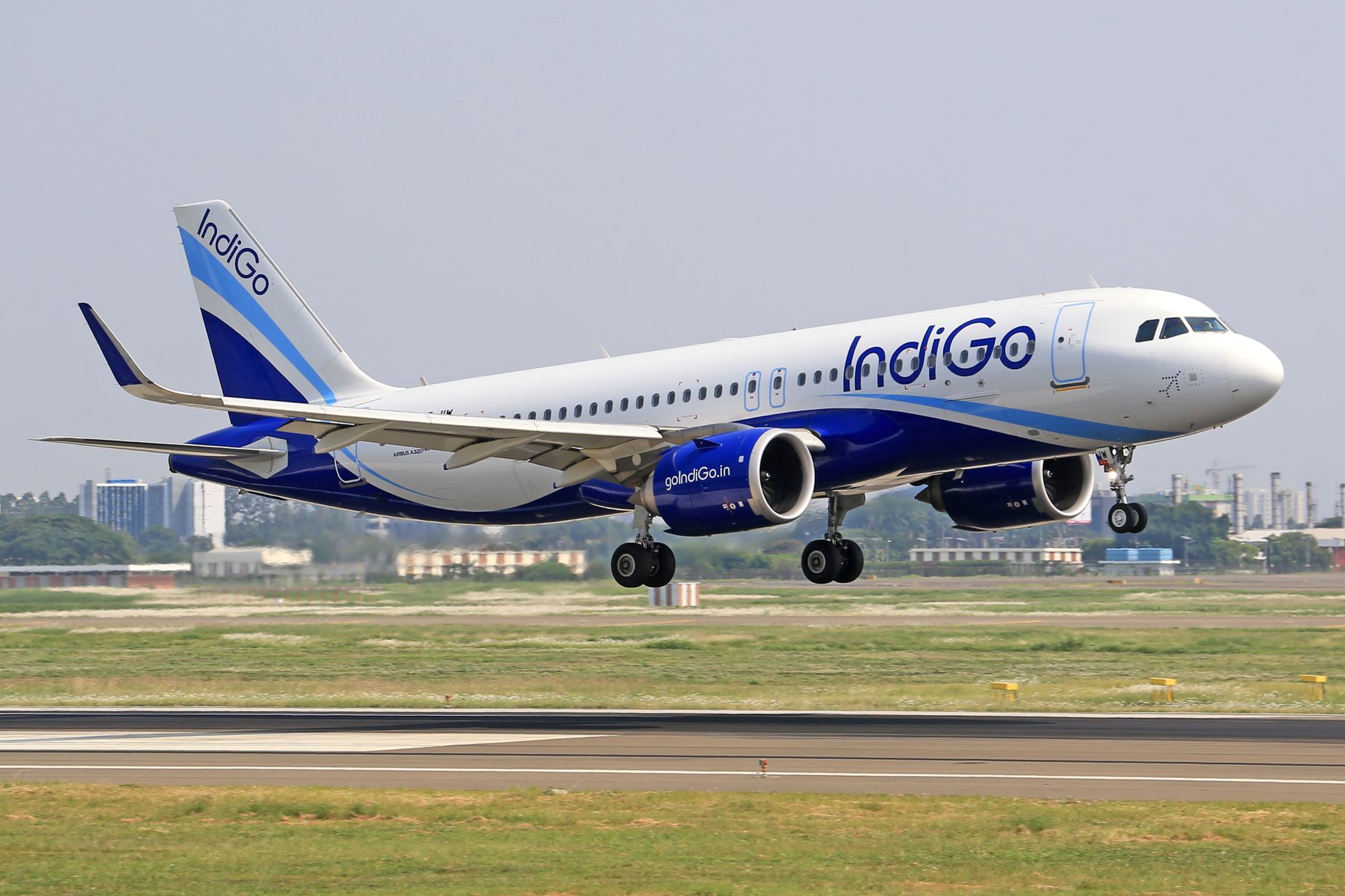
IndiGo flight delay has caused frustration among passengers as a six-hour hold-up occurred in Varanasi due to a pilot’s ear pain. This unexpected situation raised concerns and questions about airline protocols.
Causes of IndiGo Flight Delays
IndiGo flight delays have become a topic of concern for many travelers, particularly following recent incidents that have caught public attention. The latest case involved a significant delay of six hours at Varanasi, attributed to a pilot reporting ear pain. This situation has raised questions about the underlying causes of such delays.
Several factors can contribute to these disruptions:
- Health Issues: As seen in the recent incident, health concerns among crew members can lead to unexpected delays, as airlines prioritize passenger safety.
- Weather Conditions: Adverse weather, including heavy rain and fog, often results in flight delays, affecting schedules and operational efficiency.
- Technical Glitches: Mechanical issues with the aircraft can necessitate immediate repairs or checks, further pushing back departure times.
- Air Traffic Congestion: Busy airports may experience congestion, leading to delays as flights are held waiting for clearance.
- Operational Challenges: Factors such as crew scheduling conflicts or logistical issues can also contribute to delays, impacting overall flight operations.
Understanding the causes behind IndiGo flight delays is essential for passengers, as it highlights the various challenges airlines face in ensuring timely air travel.
Passenger Reactions to Delays
Passengers expressed a mix of frustration and understanding following the recent IndiGo flight delay that lasted six hours at Varanasi. Many took to social media to share their experiences, highlighting the impact such delays have on their travel plans.
One passenger, Ravi Sharma, noted, “I had a connecting flight to catch, and missing it meant scrambling for alternate arrangements. It’s stressful, especially when you have important meetings to attend.” Others echoed similar sentiments, emphasizing how delays can disrupt not just travel plans but also personal commitments.
However, some passengers acknowledged the need for safety. Anita Gupta, another traveler, remarked, “While I was frustrated, I understand that the pilot’s health is a priority. I’d rather have a delay than risk anyone’s safety.” This sentiment was shared by several others who commented on the importance of addressing health issues promptly, even if it leads to inconvenience.
Additionally, many voiced their concerns regarding communication from the airline during the delay. Passengers felt that clearer updates about the situation could have alleviated some of the anxiety surrounding the prolonged wait.
Overall, the recent IndiGo flight delay has highlighted the delicate balance between safety protocols and passenger expectations in the aviation industry.
Impact on Varanasi Travel Plans
The recent IndiGo flight delay has left many travelers in Varanasi grappling with disrupted travel plans. With the flight delayed by six hours due to the pilot reporting ear pain, passengers found themselves facing significant inconveniences.
Travelers intending to reach their destinations on time experienced a ripple effect on their itineraries. Some of the main impacts include:
- Missed Connections: Several passengers had connecting flights to international destinations, resulting in missed opportunities and additional costs to rebook.
- Accommodation Issues: For those who planned to stay overnight in Varanasi, the delay forced them to scramble for last-minute hotel bookings, often at inflated prices.
- Itinerary Changes: Tourists with pre-booked tours and activities had to rearrange schedules, leading to disappointment and financial loss.
- Emotional Stress: The uncertainty of flight delays added to the anxiety of travelers, many of whom had important events to attend or deadlines to meet.
As the situation unfolded, passengers expressed their frustration and sought clarity on the airline’s policies regarding compensation for the delays. The incident raises questions about the operational challenges faced by airlines and how they manage unforeseen circumstances.
IndiGo’s Response to the Incident
In response to the recent incident involving an IndiGo flight delay of six hours at Varanasi, the airline has issued an official statement addressing the concerns raised by passengers and the media. The delay was attributed to the pilot experiencing ear pain, which necessitated a thorough medical evaluation before the flight could proceed safely.
IndiGo emphasized its commitment to passenger safety and comfort, stating, “The well-being of our crew and passengers is our top priority. We take any health-related issues seriously and follow strict protocols to ensure the highest safety standards.” The airline also clarified that such delays, while inconvenient, are sometimes unavoidable and are implemented to prevent any potential risks.
Furthermore, IndiGo assured customers that they are working diligently to minimize disruptions in their travel plans. “We are constantly striving to improve our operational efficiency and find solutions to reduce delays,” the statement continued. The airline has also encouraged passengers affected by the IndiGo flight delay to reach out to their customer service for assistance regarding compensation and rebooking options.
As Varanasi continues to be a significant travel hub, IndiGo is determined to restore confidence in their operations and maintain their reputation for reliability amidst unforeseen challenges.
Airline Safety Measures Explained
In light of recent incidents, including the notable IndiGo flight delay in Varanasi, airlines are re-evaluating their safety measures to ensure passenger well-being. Safety protocols are paramount in the aviation industry, and they have become even more crucial in the wake of unexpected flight delays.
Airlines like IndiGo have implemented a variety of safety measures aimed at mitigating risks and enhancing the overall travel experience. These protocols include:
- Regular Maintenance Checks: Aircraft undergo rigorous inspections to ensure that all systems are functioning properly before each flight.
- Pilot Health Assessments: Pilots are subject to regular health evaluations, which include checks for issues that could affect their performance, such as the ear pain reported in a recent IndiGo flight delay.
- Real-Time Monitoring: Advanced technology allows airlines to monitor flight conditions continuously, enabling them to make informed decisions about safety and scheduling.
- Emergency Protocols: Comprehensive training ensures that crew members are well-prepared to handle emergencies effectively, prioritizing passenger safety above all else.
These measures not only enhance safety but also aim to reduce the likelihood of delays attributable to health and mechanical issues. As the aviation industry continues to adapt, the focus remains on keeping passengers informed and secure during their travels.
The recent IndiGo flight delay has sparked discussions among passengers and industry experts alike. Many are questioning the underlying factors contributing to the ongoing issues surrounding the IndiGo flight delay.
Photo by Jeffry Surianto on Pexels
References
Related stories
- Chicago to India flights: Are These the Best Discounted Options?
- Guangzhou-New Delhi flights: Best way to travel with ease
- Dubai International Airport: Safe Travel Amid Mideast Tensions